
Nº 05Technology

A purpose-built stack for low-carbon compute.

The whole stack is designed around two scarce resources — water and transmission — and the grid services AESO will pay for.

Interior of a data centre hall with amber accent lighting.

Hybrid Direct Liquid Cooling

DLC captures ~80% of heat, rejected via dry coolers + evaporative assist. Remaining 20% handled by air-handling with evaporative support. Target WUE: 0.5 L/kWh — 72% below the 1.8 L/kWh industry average. At 1 GW full buildout, ~4.4 billion litres/year vs. >15 billion for a conventional facility.
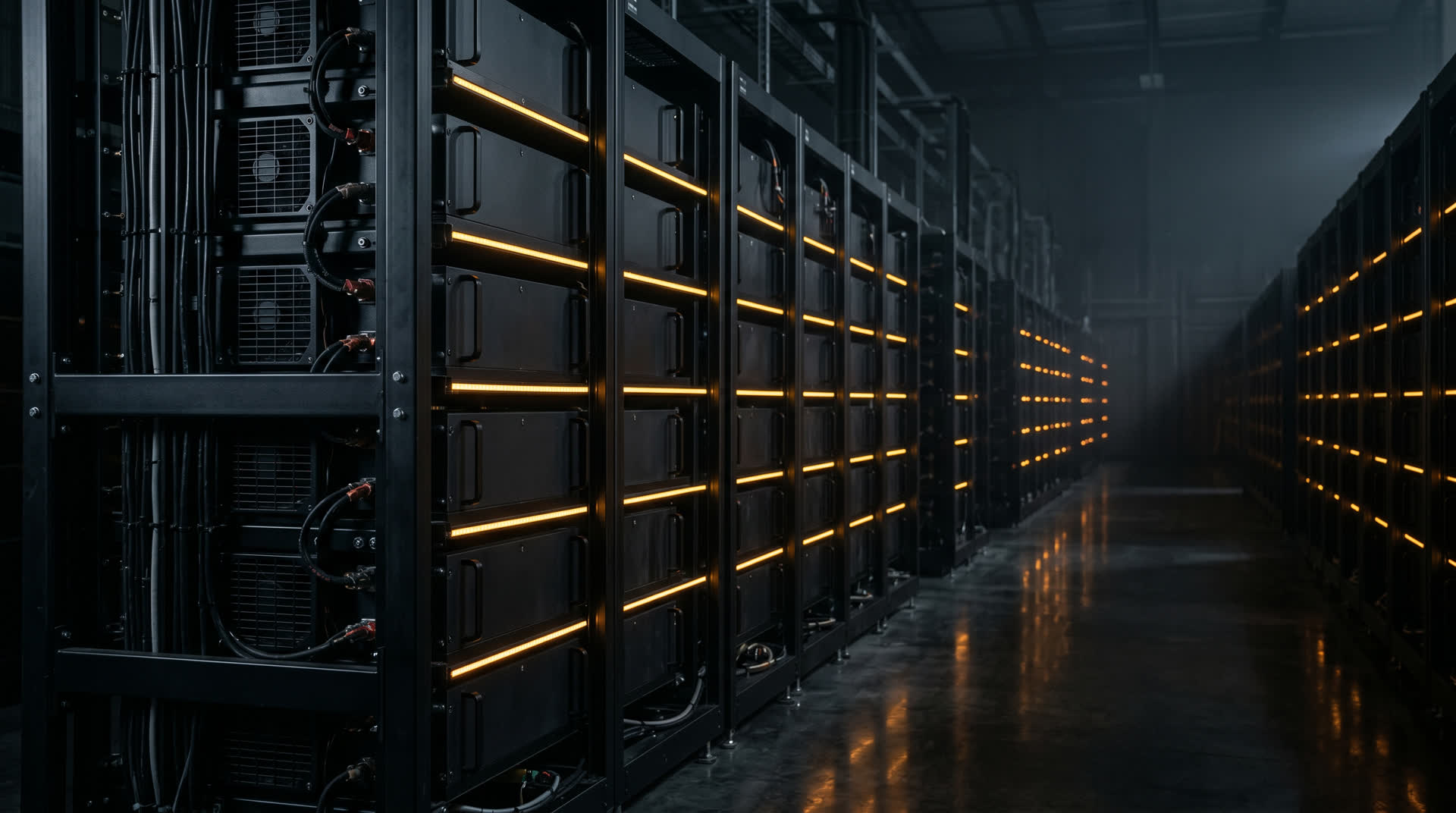
Grid-Forming LFP BESS

Lithium iron phosphate, grid-forming inverters. Addresses the AESO WSCR deficit (Milo corridor WSCR 2.06). Eligible for FFR+ and R30 ancillary services revenue.

Capstone C1000S Microturbine Firming

100–200 MW of Capstone Green Energy C1000S microturbines — each 1 MW unit is five 200 kW air-bearing microturbines running in parallel, deployable in clusters up to 30 MW. NOx emissions warranted below 9 ppm, among the lowest of any fossil-fuel combustion technology. Fuel-flexible on natural gas, renewable natural gas, biogas, and hydrogen blends — so the firming fleet transitions cleanly into the Phase 3 hydrogen layer without replacing hardware. Modular skids ship faster than large reciprocating engines or utility-scale gas turbines; air bearings mean no lubrication and far less on-site maintenance than traditional engines.

Hydrogen for Seasonal Balancing

Renewable-fed electrolyzers produce hydrogen when Alberta wind and solar are curtailed; fuel cells discharge it back through the cold months and low-irradiance stretches. A seasonal storage layer that spans what batteries can't — and a pathway to replace the natural-gas share over time.

Agrivoltaics

Solar arrays designed to unlock agrivoltaics potential — dual land use where crops, forage, or grazing continue beneath and between panel rows. Land stays productive.

Pumped Hydro (Phase 2)

Using BRID reservoir elevation and existing water infrastructure. A right-sized long-duration asset already surveyed into the corridor.

IShort-term energy mix target

80% renewables & storage. 20% natural gas.

A pragmatic mix for Alberta's grid realities today — renewable-heavy, but firm enough that tenants never see a flicker. The natural-gas share shrinks as pumped hydro and hydrogen scale through Phase 2 and Phase 3.

~50%
Wind & solar generation
~30%
LFP BESS, pumped hydro, hydrogen
~20%
Natural-gas firming & peaks
0.5 L/kWh
Water use per kWh compute
Rows of LFP battery storage racks with amber status strips.
IIWhy this stack

Optimised for the two things Alberta runs short on.

Water and fast-interconnect transmission are the binding constraints on every Alberta data-centre project. Hybrid DLC at 0.5 L/kWh cuts water. Grid-forming LFP plus natural-gas firming shortens time-to-power from years to months — while hydrogen and pumped hydro layer in the seasonal depth renewables need to carry more of the load each year.